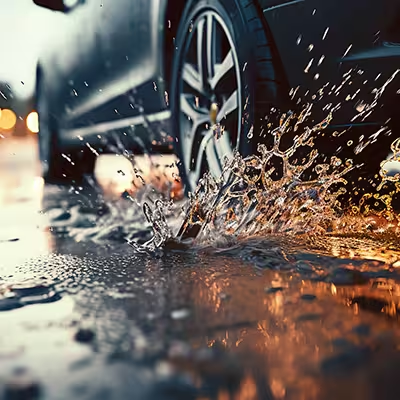
Driving Safely in Wet Conditions
Driving in wet conditions can be challenging, even for experienced drivers. Wet roads reduce traction, increase stopping distances, and can make it difficult to maintain control of your vehicle. In this article, we’ll dive into the essential tips and practices for driving safely in wet conditions, ensuring you stay safe on the road when the weather takes a turn for the worse.
Driving Safely in Wet Conditions: Understanding Road Hazards
When it rains, the first 30 minutes are often the most dangerous. Fresh rainfall mixes with oil, grease, and other residues on the road, creating a slippery surface. This makes it easier to lose control of your vehicle, particularly if you’re driving too fast or making sudden movements. Reducing your speed by a third is a good rule of thumb when driving in wet conditions to help maintain control and avoid hydroplaning.
Preparing Your Vehicle for Driving Safely in Wet Conditions
Before you even start driving, it’s important to make sure your vehicle is ready for wet conditions:
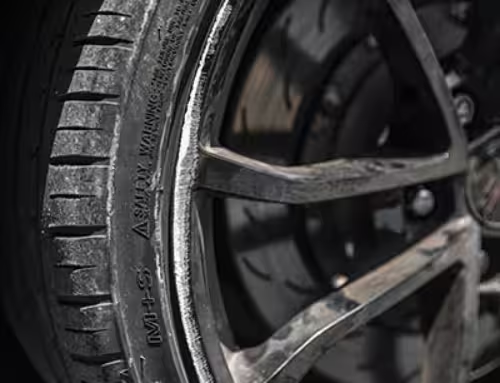
- Tires: Ensure your tires have sufficient tread depth (at least 2.5mm) to effectively channel water away and maintain traction. Check your tire pressure regularly to avoid under or over-inflation, which can reduce grip on wet roads.
- Visibility: Clear your windows and mirrors, and apply a rain repellent to improve visibility. Check your windshield wipers regularly; if they leave streaks or don’t clear the windshield properly, it’s time to replace them.
- Lights: Make sure all your lights are functioning correctly. Turn on your headlights during rain to help other drivers see you, even during daylight hours.
On the Road: Adjusting Your Driving Habits
Driving on wet roads requires you to adjust your usual driving habits to maintain safety:
- Slow Down: Reducing your speed is crucial. Not only does it give you more time to react, but it also helps prevent hydroplaning. Remember, your braking distance is longer on wet roads, so keep a safe distance from the vehicle in front of you.
- Smooth Movements: Avoid sudden steering, braking, or acceleration. Gentle inputs help maintain traction and prevent skidding. If your car starts to skid, steer in the direction you want Driving Safely in Wet Conditions also means staying alert to changing road conditions and adjusting your speed whenever visibility or traction becomes limited. to go and avoid slamming on the brakes.
- Use the AC: If your windows start to fog up, use your air conditioner to dehumidify the air inside your vehicle. If you don’t have an AC, slightly open your windows to allow air circulation.
- Heavy Rain: If the rain becomes too intense and visibility is severely reduced, it’s safer to pull over and wait until conditions improve. Turn on your hazard lights to alert other drivers that you’re stopped.
Handling Hydroplaning
Hydroplaning occurs when a layer of water builds up between your tires and the road, causing a loss of traction. If this happens, don’t panic:
- Ease Off the Gas: Take your foot off the accelerator to gradually slow down.
- Steer Straight: Keep the steering wheel steady in the direction you want to go.
- Avoid Braking: Braking can cause a loss of control. Instead, let your vehicle slow down naturally.
Driving safely in wet conditions is about preparation, awareness, and adapting your driving style to the road’s condition. By taking these precautions, you can significantly reduce the risks associated with driving in the rain and ensure you arrive at your destination safely.

Remember, safety comes first. Whenever the weather changes, so should your driving habits. Stay safe, stay smart, and keep control on those wet roads.
Dive into our latest tips and insights! Visit our blog Wheels Blog for expert advice and discover something new today.
- Why Do You See Colorful ‘Rainbow’ Patches On A Wet Road?
- Does Offset Affect Fitment?
- What is a Wheel Fitment?
For more wheel care tips, repair projects, custom wheel transformations, and the latest updates, follow us on social media:
📲 Instagram: @wheelsdoctor
📲 Facebook: @wheelsdoctor
Need professional advice about your wheels?
📞 Wheels Doctor Miami: (305) 490-2028 | (305) 964-7909
Frequently Asked Questions
✅ How fast should I drive in heavy rain?
➡️ There is no single safe speed. Slow down according to visibility, road conditions, and traffic, and stay below the posted limit when necessary.
✅ How can I prevent hydroplaning?
➡️ Reduce your speed, avoid sudden movements, and make sure your tires have adequate tread and proper inflation.
✅ Should I use cruise control in the rain?
➡️ It is generally better to avoid cruise control on wet roads. Keeping direct control of the accelerator makes it easier to respond to changing conditions.
✅ What should I do if my car starts hydroplaning?
➡️ Ease off the accelerator, keep the steering wheel steady, and avoid sudden braking or steering until your tires regain traction.
✅ Should I turn on my headlights when it rains?
➡️ Yes. Using your headlights improves your visibility and makes your vehicle easier for other drivers to see.
✅ Is it safe to drive through standing water?
➡️ It can be dangerous. Standing water can cause hydroplaning or hide potholes and road hazards. Avoid it whenever possible and slow down if you must pass through shallow water.