What are the 4 Types of Wheels?
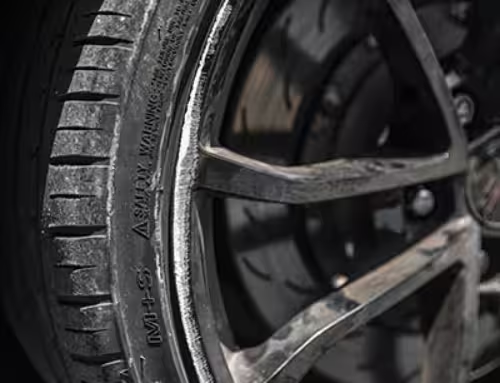
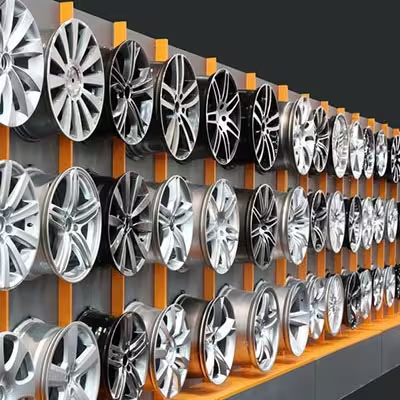
When it comes to customizing and maintaining your vehicle, one of the most critical components to consider is the wheels. Not only do they affect the performance of your car, but they also contribute significantly to its aesthetic appeal. If you’ve ever wondered, “What are the 4 types of wheels?”, this comprehensive guide will provide all the details you need to know.
Alloy Wheels
 What are Alloy Wheels?
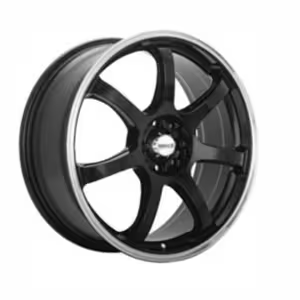
Alloy wheels are made from a combination of metals, with aluminum and magnesium being the most common. These metals are mixed to create a lightweight yet durable wheel option.
Advantages of Alloy Wheels
- Lightweight: Alloy wheels are lighter than steel wheels, which can improve fuel efficiency and handling.
- Aesthetic Appeal: They come in a variety of finishes, including chrome, painted, machined, or polished, making them a popular choice for personalization.
- Performance: They offer better heat dissipation, which can enhance braking performance and reduce the risk of brake failure.
Disadvantages of Alloy Wheels
- Cost: Alloy wheels are typically more expensive than steel wheels.
- Durability: They are more prone to damage from curbs and potholes.
Steel Wheels
 What are Steel Wheels?
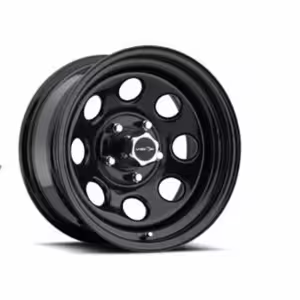
Steel wheels are made from an alloy of iron and carbon, making them more robust and heavier than alloy wheels.
Advantages of Steel Wheels
- Durability: Steel wheels are less likely to crack or chip and can withstand rougher conditions.
- Cost-Effective: They are generally less expensive than alloy wheels.
- Winter Performance: Their weight can provide better traction in snowy and icy conditions.
Disadvantages of Steel Wheels
- Weight: The added weight can reduce fuel efficiency and handling.
- Appearance: They tend to have a less attractive appearance compared to alloy wheels.
Chrome Wheels
 What are Chrome Wheels?
Chrome wheels are actually alloy wheels with a chrome coating. This coating gives the wheels a shiny, mirror-like finish.
Advantages of Chrome Wheels
- Aesthetic Appeal: The chrome finish provides a high-gloss, eye-catching look.
- Resale Value: They can enhance the resale value of your vehicle due to their attractive appearance.
Disadvantages of Chrome Wheels
- Maintenance: Chrome wheels require regular maintenance to keep their shine.
- Weight: The chrome plating can add extra weight to the wheels.
- Durability: They are prone to damage and corrosion if not properly maintained.
Magnesium Wheels
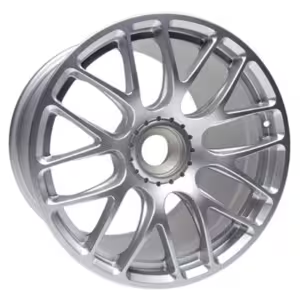 What are Magnesium Wheels?
Magnesium wheels, often referred to as “mag wheels,” are made from magnesium alloys. They are known for being extremely lightweight.
Advantages of Magnesium Wheels
- Lightweight: They are the lightest type of wheels available, which can significantly improve vehicle performance.
- Performance: Commonly used in racing due to their light weight and superior performance characteristics.
Disadvantages of Magnesium Wheels
- Cost: They are generally more expensive due to the cost of magnesium and the manufacturing process.
- Corrosion: Magnesium is more prone to corrosion compared to other metals.
- Durability: They can be more fragile and are less suitable for everyday driving.
Still deciding which wheels are right for your vehicle? Learn more about the different materials, designs, and applications in our complete guide: Types of Wheels for Cars.
Understanding “What are the 4 types of wheels?” is essential for making informed decisions about your vehicle. Whether you prioritize performance, aesthetics, durability, or cost, knowing the pros and cons of alloy, steel, chrome, and magnesium wheels will help you choose the best option for your needs. At Wheels Doctor, we offer a wide range of wheel customization and maintenance services to ensure your ride not only performs well but also looks its best. (305) 490-2028, (305) 964-7909 Contact us today to learn more about how we can help you achieve the perfect look and performance for your vehicle.
Frequently Asked Questions
✅ What type of wheel is best for everyday driving?
➡️ For most drivers, alloy wheels offer the best balance of performance, durability, and appearance. They are lightweight, improve handling, and come in a wide variety of styles.
✅ Which wheels last longer: alloy or steel?
➡️ Steel wheels usually last longer in harsh conditions because they resist impacts better. However, alloy wheels provide better performance and can last for many years with proper care and maintenance.
✅ Are chrome wheels difficult to maintain?
➡️ Yes, chrome wheels require regular cleaning to keep their shine. In addition, routine maintenance helps prevent corrosion, pitting, and surface damage caused by moisture and road debris.
✅ Why are magnesium wheels mostly used for racing?
➡️ Magnesium wheels are extremely lightweight, which improves acceleration, braking, and handling. However, because they are more expensive and less resistant to corrosion, they are less common on everyday vehicles.
✅ Can damaged wheels be repaired instead of replaced?
➡️ In many cases, yes. Minor bends, curb rash, scratches, and cosmetic damage can often be repaired by experienced technicians. However, severe cracks or structural damage may require wheel replacement for safety reasons.
✅ How do I choose the right wheels for my vehicle?
➡️ Start by considering your driving habits, budget, vehicle style, and performance goals. Then, consult a wheel specialist to select the correct size, material, and finish for your specific vehicle.