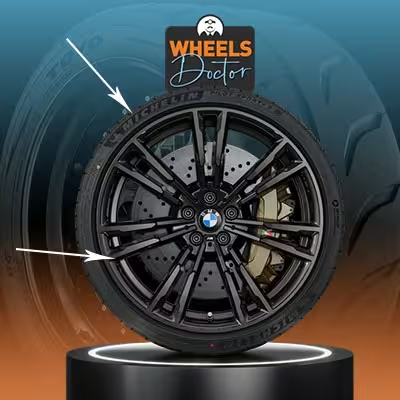
Is it Wheels or Tires?
When discussing vehicle maintenance or customization, a common question arises: “Is it wheels or tires?” Understanding the difference between wheels and tires is crucial for car enthusiasts and everyday drivers alike. In this article, we will clarify the distinction between wheels and tires, explore their functions, and provide a comprehensive guide to help you make informed decisions about your vehicle.
What Are Wheels and Why Do They Matter?
Definition and Components
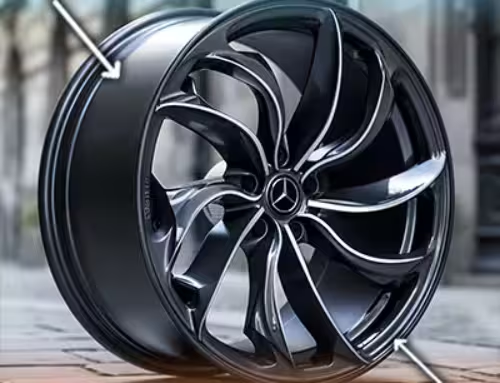
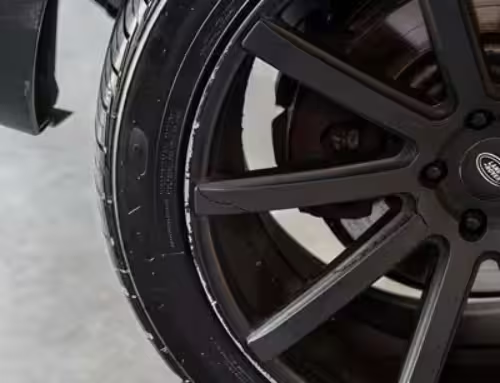
The wheel is the circular component that rotates and enables the vehicle to move. It consists of several parts:
- Rim: The outer edge of the wheel that holds the tire in place.
- Hub: The central part that attaches to the vehicle’s axle.
- Spokes: The structures that connect the rim to the hub, providing support and maintaining the wheel’s shape.
Materials and Types
Wheels can be made from various materials, including steel, aluminum, and alloys. Each material offers different benefits:
- Steel Wheels: Durable and affordable but heavier, affecting fuel efficiency.
- Aluminum Alloy Wheels: Lightweight, corrosion-resistant, and often used for performance vehicles.
- Chrome Wheels: Known for their aesthetic appeal and shiny finish.
Functions
Wheels support the vehicle’s weight, provide leverage for movement, and play a significant role in the vehicle’s overall performance and aesthetics.
What Are Tires and How Do They Work?
Definition and Components
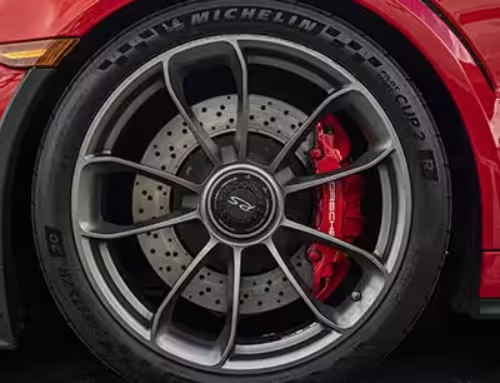
The tire is the rubber covering that fits around the wheel’s rim. Tires are composed of:
- Tread: The patterned surface that makes contact with the road, providing traction.
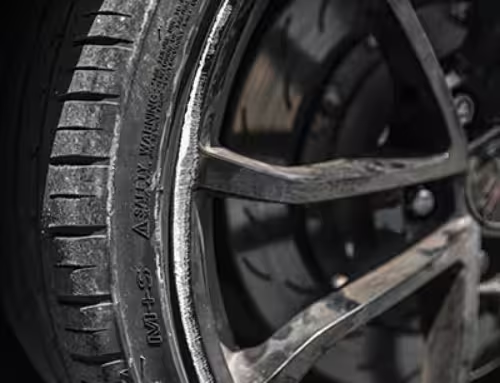
- Sidewall: The outer portion of the tire that connects the tread to the bead.
- Bead: The inner edge of the tire that sits on the rim and holds the tire in place.
Types of Tires
Tires come in various types to suit different driving conditions and vehicle requirements:
- All-Season Tires: Suitable for general use in a range of weather conditions.
- Winter Tires: Designed for better traction in snow and icy conditions.
- Performance Tires: Enhanced for better handling and speed capabilities.
Functions
Tires provide the necessary grip for the vehicle to move and stop safely. They also absorb shocks from the road, contributing to a smoother ride.
Wheels or Tires: What Are the Key Differences?
Structural Differences
- Wheels: Made of metal, include the rim, hub, and spokes.
- Tires: Made of rubber, include the tread, sidewall, and bead.
Functional Differences
- Wheels: Support the vehicle’s weight and enable rotation.
- Tires: Provide traction and absorb road shocks.
Maintenance
- Wheels: Require regular cleaning to prevent corrosion and inspections for damage.
- Tires: Need regular checks for tread wear, pressure, and potential punctures.
Common Misconceptions About Wheels and Tires
Interchangeable Terms
Many people use “wheels” and “tires” interchangeably, but they refer to different components of the vehicle. Understanding this distinction is vital for accurate communication, especially when seeking maintenance or customization services.
Importance of Both Components
Both wheels and tires are crucial for the vehicle’s performance, safety, and comfort. Neglecting one can lead to significant issues, such as poor handling, increased wear, and potential accidents.
Understanding the difference between wheels and tires is essential for proper vehicle maintenance and performance. While wheels are the metal structures that support and move the vehicle, tires are the rubber coverings that provide traction and absorb shocks. Both components work together to ensure a smooth, safe, and efficient driving experience.
Next time you ask, “Is it wheels or tires?”, you’ll know the answer and be equipped to make informed decisions about your vehicle’s needs. Whether it’s time for a tire change or a wheel upgrade, knowing the distinction will help you maintain your vehicle in top condition.
Want to learn more about the different wheel materials and styles? Read our complete guide on Types of Wheels for Cars to compare alloy, steel, chrome, magnesium, and other popular wheel options.
Need expert advice on wheels or tires? Contact us today (305) 490-2028, (305) 964-7909 for professional assistance and ensure your vehicle is always ready for the road.
Frequently Asked Questions About Wheels and Tires
✅ Are wheels and tires the same thing?
➡️ No. A wheel is the metal component that supports the tire, while the tire is the rubber part that contacts the road. Both work together but serve different functions.
✅ Can you replace just the tire without replacing the wheel?
➡️ Yes. In most cases, only the tire needs to be replaced if it is worn or damaged. The wheel only needs replacement or repair if it is bent, cracked, or otherwise damaged.
✅ How do I know if my wheel is damaged?
➡️ Common signs include steering wheel vibrations, difficulty balancing the tire, uneven tire wear, visible bends, cracks, or air leaks around the rim.
✅ What is the difference between alloy wheels and steel wheels?
➡️ Alloy wheels are lighter, improve handling, and offer more design options. Steel wheels are heavier, more durable, and are often used for winter driving or budget-friendly vehicles.
✅ Can damaged wheels affect tire life?
➡️ Yes. A bent or damaged wheel can cause uneven tire wear, poor alignment, vibrations, and reduced handling, shortening the lifespan of your tires.
✅ How do I choose the right wheels for my vehicle?
➡️ The right wheels depend on your vehicle, driving style, desired appearance, and performance goals. Wheel size, offset, bolt pattern, and material should all match your vehicle’s specifications. If you’re comparing different wheel styles and materials, check out our complete guide on Types of Wheels for Cars before making your decision.