Which Rims Last the Longest?
If you’re wondering which rims last the longest, the answer goes beyond simply choosing the strongest material.
At Wheels Doctor, we inspect and restore wheels every day for drivers throughout Miami and South Florida. One thing we’ve learned from years of repairing premium, OEM, and aftermarket wheels is that a rim’s lifespan depends not only on how it’s manufactured, but also on how well it’s protected and maintained.
We’ve seen forged wheels develop corrosion after years of neglected maintenance, while properly protected cast wheels remain in excellent condition despite daily driving. Likewise, many wheels that arrive at our shop with severe cosmetic damage or peeling finishes still have solid structural integrity and can often be restored instead of replaced.
Road conditions also play an important role. Potholes, curb impacts, brake dust, humidity, UV exposure, and the coastal environment in South Florida all contribute to wheel deterioration over time. Without proper protection, even high-quality wheels can lose both their appearance and long-term durability.
This guide explains which rims last the longest, what factors truly influence their lifespan, and why professional services such as Powder Coating, wheel refinishing, and preventive maintenance can help keep your wheels looking and performing their best for many years.
Which Rims Last the Longest? What You Should Know
The short answer is:
Forged wheels typically last the longest from a structural standpoint, but any wheel can have a long service life when it’s properly maintained and protected.
Many drivers assume the material alone determines durability. While material is certainly important, our experience at Wheels Doctor shows that several other factors influence how long a wheel remains both safe and visually appealing.
A forged wheel, for example, offers outstanding strength and impact resistance. However, if its finish becomes damaged and corrosion develops over time, its appearance and overall condition can deteriorate significantly.
Likewise, many cast and flow formed wheels continue performing well for years because owners invest in routine maintenance, prompt repairs, and protective finishes that help preserve the metal underneath.
In our shop, we always encourage customers to think about durability from two perspectives:
- Structural lifespan – How well the wheel withstands impacts and everyday driving.
- Finish lifespan – How well the protective coating resists corrosion, UV exposure, brake dust, road debris, and daily wear.
Both are essential if your goal is to maximize the life of your wheels.
Which Rims Last the Longest? Factors That Affect Rim Lifespan
The lifespan of any wheel depends on much more than its manufacturing process.
Every week, we inspect wheels that have experienced years of normal driving, and the patterns are surprisingly consistent. In many cases, the finish fails long before the wheel itself.
Here are the factors that most commonly influence wheel longevity.
Material
The material used to manufacture a wheel directly affects its strength, weight, and resistance to impacts.
Forged, cast, and flow formed wheels all perform differently under stress, but none are completely immune to damage.
Manufacturing Quality
Two wheels made from similar materials may perform very differently depending on how they were manufactured.
High-quality engineering, machining precision, and strict quality control all contribute to a longer-lasting wheel.
Driving Conditions
Everyday driving conditions have a major impact on wheel life.
Repeated exposure to:
- Potholes
- Uneven pavement
- Construction zones
- Speed bumps
- Road debris
can gradually damage both the structure and finish of a wheel.
Climate
Living in Miami presents unique challenges for wheel maintenance.
Humidity, coastal salt air, intense sunlight, and frequent rain all accelerate corrosion when protective finishes begin to wear.
We often inspect wheels that remain structurally sound but require refinishing because prolonged exposure has damaged their original coating.
Maintenance
One of the biggest factors in wheel longevity is routine maintenance.
Regular cleaning helps remove:
- Brake dust
- Road grime
- Salt residue
- Metallic contaminants
If left on the surface for extended periods, these contaminants can gradually damage the protective finish.
Using wheel-safe cleaning products is equally important, as aggressive chemicals may shorten the life of painted, machined, or polished finishes.
Impacts
Even the highest-quality wheels have their limits.
Curb impacts and potholes can cause:
- Bent rims
- Hairline cracks
- Surface damage
- Finish chipping
Prompt inspection after an impact helps prevent minor issues from becoming more serious over time.
Which Materials Typically Last Longer?
Not every wheel material performs the same.
Each offers a different balance between durability, weight, performance, repairability, and long-term maintenance.
Understanding these differences helps drivers choose the option that best fits their vehicle and driving habits.
Forged Wheels: Which Rims Last the Longest for Performance Vehicles?
Forged wheels are widely recognized as the strongest option available.
Because they’re manufactured under extremely high pressure, the aluminum develops a dense grain structure that delivers exceptional strength while keeping weight low.
Advantages include:
- Outstanding structural strength
- Excellent impact resistance
- Lightweight performance
- Long service life with proper maintenance
Although forged wheels are highly durable, they still benefit from regular inspections and protective finishes that help preserve their appearance over time.
Cast Wheels and Long-Term Rim Durability
Cast wheels remain one of the most common choices for OEM and aftermarket vehicles.
Modern cast wheels provide excellent value and dependable everyday performance.
Advantages include:
- Affordable pricing
- Wide availability
- Good durability for daily driving
- Easier replacement options
While they may not match the structural strength of forged wheels, many cast wheels remain in service for years when properly maintained and repaired as needed.
Flow Formed Wheels: A Long-Lasting Alternative
Flow formed wheels offer an excellent middle ground.
Their manufacturing process strengthens the barrel while reducing weight compared to traditional cast wheels.
They typically provide:
- Better strength than standard cast wheels
- Reduced weight
- Improved performance
- Excellent value
For many drivers, flow formed wheels offer an ideal combination of durability, appearance, and cost.
One important point we’ve learned at Wheels Doctor is that even the strongest wheel material benefits from proper protection.
The finish applied to the wheel plays a major role in preventing corrosion, preserving its appearance, and extending its overall lifespan. That’s why many customers choose to protect their wheels with professional powder coating after refinishing or restoration.
How Powder Coating Helps Which Rims Last the Longest
If there’s one service that consistently helps extend the life of a wheel, it’s professional powder coating.
At Wheels Doctor, we regularly inspect wheels that are still structurally sound but have deteriorated finishes caused by years of exposure to road debris, brake dust, moisture, UV rays, and everyday driving. In many of these cases, the problem isn’t the wheel itself—it’s the protective coating that’s no longer doing its job.
When the original finish begins to fail, the metal underneath becomes more vulnerable to corrosion, oxidation, staining, and cosmetic damage. That’s why restoring and protecting the finish is just as important as repairing structural damage.
[IMAGE: Technician preparing a wheel for powder coating]
What Is Powder Coating?
Powder coating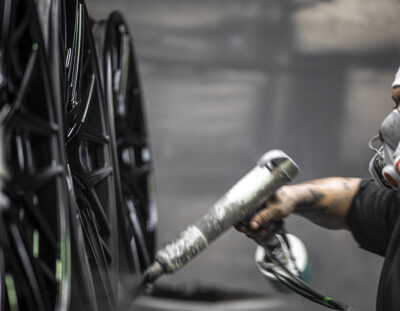 is a finishing process that applies a dry powder to the wheel’s surface before it’s cured in a specialized oven. During curing, the coating bonds to the metal, creating a smooth, durable finish that’s designed to withstand everyday use.
Unlike conventional liquid paint, powder coating forms a tougher protective layer that resists wear and maintains its appearance for years when properly cared for.
At Wheels Doctor, every powder coating project begins with proper surface preparation. The wheel is thoroughly cleaned, stripped of its old finish, and inspected before the new coating is applied. This preparation is essential for achieving both long-term durability and a high-quality finish.
Protection Against Corrosion and Moisture
Miami’s climate can be challenging for alloy wheels.
High humidity, frequent rain, coastal salt air, and daily driving all contribute to corrosion over time, especially when the factory finish has been chipped or worn away.
A professionally applied powder coating creates a protective barrier that helps shield the wheel from moisture and environmental contaminants, reducing the risk of corrosion and preserving the wheel’s appearance.
For drivers who live near the coast or use their vehicles year-round, this added protection can make a noticeable difference in long-term wheel condition.
Greater Durability Than Conventional Paint
Traditional paint can provide an attractive finish, but it’s generally more susceptible to scratches, chips, and wear from everyday driving.
Powder coating offers increased resistance to:
- Road debris
- Brake dust
- Minor abrasions
- UV exposure
- Everyday wear
While no finish is completely damage-proof, powder coating typically provides better long-term protection than conventional paint when applied correctly.
Better Protection for Daily Driving
Most wheel damage doesn’t happen all at once.
Instead, it’s the result of repeated exposure to:
- Brake dust
- Dirt and grime
- Small stone chips
- Frequent washing
- Changing weather conditions
A durable powder-coated finish helps reduce the effects of this gradual wear, making routine maintenance easier while keeping the wheels looking cleaner for longer.
It’s especially popular among owners of luxury, performance, and daily-driven vehicles who want a finish that combines durability with a premium appearance.
Long-Lasting Appearance
One of the biggest reasons customers choose powder coating is its ability to maintain a clean, consistent finish over time.
Whether you’re restoring factory wheels or updating the look of your vehicle with a custom color, powder coating helps maintain:
- Color consistency
- Gloss retention
- Satin finishes
- Matte finishes
- Resistance to fading
When combined with regular cleaning and proper wheel care, a professionally powder-coated wheel can continue looking its best for years.
Why Drivers Choose Wheels Doctor for Powder Coating
Every wheel is different, and so is every restoration project.
Before recommending powder coating, we inspect the wheel to evaluate its structural condition, existing finish, and any cosmetic or impact damage. If necessary, repairs such as Bent Rim Repair, Wheel Straightening, or Wheel Refinishing are completed before the new finish is applied.
This step-by-step approach helps ensure that customers receive more than a fresh appearance—they receive a finish applied to a properly prepared wheel that’s ready for years of everyday driving.
Whether you’re restoring OEM wheels or customizing an aftermarket set, our goal is to deliver a finish that looks exceptional and provides long-lasting protection.
Which Rims Last the Longest? Common Causes of Wheel Damage
No matter how durable a wheel is, everyday driving eventually leaves its mark.
At Wheels Doctor, we inspect wheels from daily drivers, luxury vehicles, SUVs, and performance cars throughout Miami and South Florida. While every repair is different, certain types of damage appear again and again.
Curb Rash
Curb rash is one of the most common cosmetic issues we repair.
Even minor contact with a curb can scratch or gouge the wheel’s finish, exposing the metal underneath. If left untreated, these damaged areas become more vulnerable to corrosion and further deterioration.
Early Wheel Refinishing helps restore both the appearance and protective finish before additional damage develops.
Corrosion
Corrosion is particularly common in coastal environments like South Florida.
Moisture, humidity, salt air, and road contaminants gradually break down damaged finishes, allowing oxidation to spread across the wheel’s surface.
Addressing corrosion early often makes restoration simpler and helps preserve the wheel’s long-term condition.
Peeling or Faded Finish
Over time, factory finishes may begin to fade, peel, or lose their original appearance due to UV exposure, harsh cleaning products, or normal wear.
In many cases, professional refinishing and powder coating restore both the appearance and protective qualities of the wheel.
Bent Rims
Potholes remain one of the leading causes of wheel damage in Miami.
Even when the damage isn’t immediately visible, a bent rim can cause:
- Steering wheel vibration
- Tire pressure loss
- Difficulty balancing the wheel
- Reduced ride comfort
Prompt Bent Rim Repair helps prevent additional stress on the tire and suspension system.
Cracked Wheels
Not every crack requires replacement, but every crack requires careful evaluation.
Our technicians inspect the location, severity, and overall condition of the wheel before determining whether Crack Repair is appropriate or if replacement is the safer solution.
Which Rims Last the Longest? Why Maintenance Matters
Many drivers wait until wheel damage becomes severe before seeking professional help.
In our experience, that’s often when repairs become more complex—and more expensive.
Preventive maintenance helps identify small problems before they develop into major structural or cosmetic issues.
Simple services such as routine inspections, wheel refinishing, or powder coating can help protect the finish, reduce corrosion, and extend the overall lifespan of your wheels.
For many customers, investing in maintenance today helps postpone the cost of replacing a premium wheel tomorrow.
More importantly, regular inspections help ensure that minor damage doesn’t compromise the safety or performance of the vehicle.
Protect Your Rims for the Long Run
So, which rims last the longest?
While forged wheels generally offer the greatest structural strength, our experience at Wheels Doctor has shown that the longest-lasting rims are the ones that receive proper care, timely repairs, and long-term protection.
Every day, we inspect wheels affected by curb rash, potholes, corrosion, peeling finishes, and everyday wear. In many cases, the wheel itself is still structurally sound—the real issue is a deteriorated protective finish that has been exposed to moisture, brake dust, UV rays, and road debris.
That’s why preventive maintenance is so important. Services such as Wheel Repair, Wheel Refinishing, Bent Rim Repair, and especially Powder Coating can significantly extend the life of your wheels while preserving both their appearance and performance.
If you’re still exploring your options before upgrading or restoring your wheels, learn more about the different styles and constructions available in our guide, How Many Different Types of Rims Are There? This resource can help you better understand which type of rim best fits your vehicle, driving habits, and performance goals.
If your wheels show signs of damage, corrosion, or finish deterioration, don’t wait until the problem becomes more expensive to fix. A professional inspection can determine whether your wheels can be safely repaired, restored, and protected for years to come.
At Wheels Doctor, we proudly serve drivers throughout Miami and South Florida, providing expert solutions for OEM, aftermarket, luxury, and performance wheels.
Whether you’re looking to restore your factory finish, customize your wheels, or protect them with a durable powder-coated finish, our experienced technicians are here to help.
Ensure your vehicle’s performance, appearance, and safety with our professional wheel services. Contact us today at (305) 490-2028 | (305) 964-7909 to schedule an inspection. And for expert wheel care tips, project highlights, and the latest updates, follow us on Instagram (@wheelsdoctor) and Facebook (@wheelsdoctor).
Frequently Asked Questions About Which Rims Last the Longest
✅ Which rims last the longest?
➡️ Forged wheels generally have the longest structural lifespan because they’re manufactured using a process that creates exceptional strength while keeping weight low. However, a wheel’s longevity also depends on maintenance, driving conditions, and how well its protective finish is preserved over time.
✅ Are forged wheels stronger than cast wheels?
➡️ Yes. Forged wheels are stronger and more resistant to impacts than traditional cast wheels because their manufacturing process compresses the aluminum into a denser structure. Cast wheels, however, remain an excellent option for daily driving and can provide many years of reliable service when properly maintained.
✅ What causes rims to wear out faster?
➡️ The most common causes include potholes, curb impacts, brake dust buildup, corrosion, UV exposure, harsh cleaning chemicals, and neglected maintenance. At Wheels Doctor, we often find that damaged or worn finishes—not the wheel material itself—are responsible for premature deterioration.
✅ Does powder coating help rims last longer?
➡️ Yes. While powder coating doesn’t make a wheel structurally stronger, it helps protect the finish against corrosion, moisture, brake dust, UV rays, and everyday wear. This added protection can significantly extend the appearance and overall lifespan of your wheels.
✅ Can damaged rims be repaired instead of replaced?
➡️ In many cases, yes. Bent rims, curb rash, corrosion, and certain cracks can often be professionally repaired. However, wheels with severe structural damage or compromised safety may need to be replaced. A professional inspection is the best way to determine the safest solution.
✅ How can I make my rims last longer?
➡️ Regular cleaning with wheel-safe products, avoiding severe impacts, repairing damage early, and protecting the finish with professional services such as powder coating are some of the best ways to maximize the lifespan of your wheels. Periodic inspections also help identify problems before they become more serious.