Why Do You See Colorful ‘Rainbow’ Patches On A Wet Road?
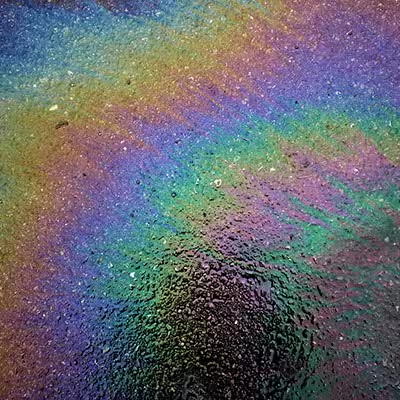
If you’ve ever driven or walked on a wet road, you’ve likely noticed colorful, oil-like patches that seem to shimmer in a rainbow of colors. These “rainbow” patches are a common sight, but what causes them? Understanding the science behind these colorful displays can be both fascinating and enlightening. This article will delve into the reasons why you see colorful ‘rainbow’ patches on a wet road and explain the phenomenon in detail.
The Science Behind Rainbow Patches on Wet Roads
The appearance of colorful ‘rainbow’ patches on wet roads is primarily caused by a phenomenon known as thin-film interference. When oil or fuel spills on a wet surface, it creates a thin layer or film on top of the water. The thickness of this film varies, and light waves reflecting off both the top and bottom surfaces of the film interfere with each other. Depending on the thickness of the oil layer and the angle at which light hits it, different colors of light are reflected, creating the rainbow effect you see.
Thin-Film Interference Explained
Thin-film interference occurs when light waves reflect off the different surfaces of a thin layer—like an oil slick on water. Some light reflects off the top surface of the oil, while other light waves penetrate the oil, reflect off the water surface beneath it, and then emerge back into the air. When these two sets of light waves overlap, they interfere with each other. This interference can amplify certain colors and cancel out others, leading to the vivid colors observed in the oil slick.
Why Does This Happen More on Wet Roads?
On a dry road, oil or fuel spills don’t create the same rainbow effect because there’s no water layer to enhance the thin-film interference. Water acts as a reflective surface that magnifies the interaction between light waves and the oil film. The combination of water and oil is what creates the vibrant rainbow effect, as the water enhances the reflective properties of the oil film, making the colors more visible.
The Role of Light and Angle
The angle of light hitting the oil film also plays a crucial role in the appearance of these colorful patches. During daylight, sunlight hits the road at various angles, causing the reflected light to interfere in different ways, resulting in the array of colors seen. At certain angles, some colors become more prominent, which is why the rainbow effect may appear more intense or change as you move.
Is It Just Oil?
While oil and fuel are the most common culprits behind these rainbow patches, other substances can also create similar effects. Any substance that forms a thin film on the surface of water can produce thin-film interference. However, due to the prevalence of oil and fuel spills on roads, they are usually responsible for this phenomenon.
Practical Implications of Rainbow Patches
Beyond their aesthetic appeal, these rainbow patches are a sign of oil or fuel on the road, which can be hazardous. Oil slicks reduce tire traction, increasing the risk of skidding, especially on wet surfaces. This is why it’s important to be cautious when you see these patches, as they indicate the presence of a slippery substance that can affect vehicle control.
So, why do you see colorful ‘rainbow’ patches on a wet road? It all comes down to the fascinating physics of thin-film interference, where oil or fuel creates a thin layer on top of water, reflecting light in a way that produces a spectrum of colors. While these patches might be visually intriguing, they also serve as a reminder to exercise caution on the road.
The next time you encounter these colorful displays, you’ll know exactly what’s happening beneath your tires—and why it’s more than just a pretty sight.
Stay Safe and Learn More About Your Wheels
Understanding what happens on the road can help you make safer driving decisions. For additional information about vehicle and road safety, visit the National Highway Traffic Safety Administration (NHTSA).
For more wheel care tips, repair projects, and automotive insights, explore the Wheels Doctor Blog.
You can also learn more about professional Wheel Refinishing and other services designed to keep your wheels looking and performing their best.
For more wheel care tips, repair projects, custom wheel transformations, and the latest updates, follow us on social media:
📲 Instagram: @wheelsdoctor
📲 Facebook: @wheelsdoctor
Have questions about your wheels or need professional assistance?
📞 Wheels Doctor Miami: (305) 490-2028 | (305) 964-7909
Frequently Asked Questions
✅ Are rainbow patches on wet roads caused by oil?
➡️ Usually, yes. Oil and fuel can form a thin film over water, creating the colorful effect through thin-film interference.
✅ Are rainbow patches on the road dangerous?
➡️ They can be. Oil can reduce tire traction, especially when combined with rain, increasing the risk of skidding.
✅ Why do oil slicks look like a rainbow?
➡️ Light reflects from different surfaces of the thin oil film and interferes with itself. This causes certain colors to become more visible at different angles.
✅ Why are rainbow colors more visible after rain?
➡️ Rain creates a thin layer of water on the road, allowing oil and other substances to spread across the surface and produce the interference effect.
✅ Can other liquids create rainbow patches?
➡️ Yes. Other substances that form a thin film over water can create similar colors, although oil and fuel are common causes on roads.
✅ What should I do if I see an oil slick while driving?
➡️ Slow down, avoid sudden braking or steering, and leave extra distance from other vehicles. Wet roads combined with oil can significantly reduce traction.