Curious About What Recycled Tires Are Frequently Turned Into?
Curious About What Recycled Tires Are Frequently Turned Into?
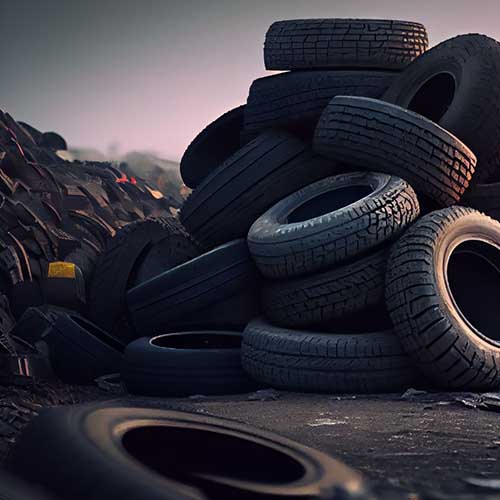
Have you ever wondered what happens to tires after they leave the road? Instead of ending up in landfills, recycled tires begin a powerful transformation. Today, industries actively convert them into innovative, sustainable solutions that reduce waste and drive environmental progress.
Exploring Civil Engineering Marvels
First, let’s look at civil engineering. Engineers now incorporate recycled rubber into T-Blocks and other structural materials to strengthen foundations and prevent erosion. As a result, these reinforced blocks resist flooding, soil instability, and extreme weather conditions. In addition, manufacturers design them to be fire-resistant and long-lasting, which makes them a reliable alternative to traditional construction materials.
Groundbreaking Ground and Railroad Advancements
Beyond construction sites, recycled tires improve transportation infrastructure. For example, companies wrap railroad ties in rubber to increase durability and extend service life. Likewise, contractors blend crumb rubber into asphalt to create rubberized roads. This process not only enhances flexibility and crack resistance but also lowers maintenance costs over time. Consequently, municipalities benefit from longer-lasting and more sustainable roadways.
Innovative Flooring Solutions:
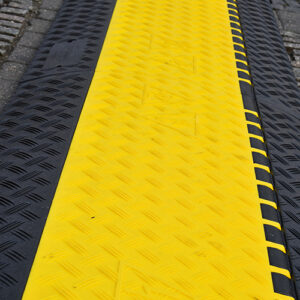
Recycled tire materials also transform flooring solutions. Manufacturers produce rubber tiles from processed tires to deliver impact resistance, slip protection, and long-term durability. Therefore, gyms, playgrounds, and commercial spaces frequently choose rubber flooring for safety and performance. Moreover, rubberized asphalt reduces road noise while improving resilience against temperature fluctuations.
Environmental Benefits of Tire Recycling:
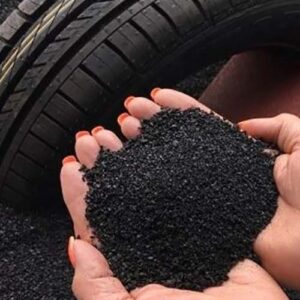
Most importantly, tire recycling generates significant environmental benefits. When companies repurpose old tires, they reduce landfill overflow and prevent illegal dumping. Furthermore, recycling facilities convert tires into tire-derived fuel (TDF), which supports energy production in specific industrial settings. By reusing materials instead of extracting new resources, industries lower carbon emissions and conserve raw materials for future generations.
Promoting Sustainability Through Tire Recycling:

Over time, the tire recycling industry has expanded its capabilities and improved processing technologies. As awareness grows, more businesses and communities embrace recycling initiatives. Because of these advancements, recycled tires now play a critical role in circular economy strategies worldwide. Ultimately, tire recycling supports a cleaner environment while encouraging responsible production and consumption.
Recycled tires are far more than discarded waste. Instead, they serve as valuable raw materials that fuel innovation across construction, transportation, manufacturing, and environmental sectors. From civil engineering applications to conservation efforts, recycled tire products clearly demonstrate how sustainability and performance can work together.
Now is the time to support smarter waste solutions. By choosing recycled materials and promoting tire recycling programs, you actively contribute to a greener and more responsible future.
Visit us on Instagram and facebook or our blog for your daily dose of entertainment, education and the latest wheeling updates.
Frequently Asked Questions
✅ What are recycled tires commonly used for?
➡️ Recycled tires are commonly used in rubberized asphalt, playground surfaces, sports fields, flooring tiles, landscaping mulch, railroad materials, and alternative fuel production.
✅ How are tires recycled?
➡️ Recycling facilities shred tires into smaller pieces, process them into crumb rubber, or grind them into fine rubber powder. Manufacturers then reuse these materials in construction, manufacturing, and energy applications.
✅ Are recycled tire products safe for the environment?
➡️ Yes. When companies process them properly, recycled tire products reduce landfill waste, conserve natural resources, and lower environmental impact.
✅ Can recycled tires be turned into fuel?
➡️ Yes. Facilities convert waste tires into tire-derived fuel (TDF), which industries use as an alternative energy source in certain high-temperature operations.
✅ How does tire recycling help reduce pollution?
➡️ Tire recycling limits landfill accumulation, prevents illegal dumping, reduces greenhouse gas emissions through material reuse, and decreases reliance on virgin raw materials.
✅ What is crumb rubber made from recycled tires used for?
➡️ Manufacturers use crumb rubber in athletic fields, playground surfaces, rubber mats, asphalt modification, molded rubber products, and shock-absorbing safety applications.