Do All BMW Wheels Fit Each Other?
If you’re wondering, do all BMW wheels fit each other? The short answer is no.
Although many BMW models share similar wheel specifications, compatibility depends on much more than the bolt pattern. At Wheels Doctor, we regularly inspect BMW wheels brought in by owners throughout Miami and South Florida who have purchased used wheels, upgraded to aftermarket options, or simply want to confirm that a new set will fit their vehicle safely.
In many cases, a wheel may appear to fit because the bolt pattern matches, but important details such as offset (ET), center bore, wheel width, brake clearance, and tire size can make the difference between a perfect installation and costly handling or suspension problems.
We’ve also seen customers install wheels that were previously repaired or damaged without realizing they needed a professional inspection before being reused. A bent wheel or incorrect fitment can lead to vibrations, uneven tire wear, steering issues, and unnecessary stress on suspension components.
This guide explains do all BMW wheels fit each other, the factors that determine BMW wheel compatibility, the most common fitment mistakes we see in our shop, and when it’s worth having your wheels professionally inspected before installation.
Do All BMW Wheels Fit Each Other?
The simple answer is no.
Although many BMW wheels share certain specifications, compatibility depends on several important factors, including:
- Bolt pattern (PCD)
- Center bore
- Offset (ET)
- Wheel width
- Wheel diameter
- Tire size
- Brake clearance
- Suspension clearance
Two BMW wheels may look almost identical, yet perform very differently once installed on another model.
For example, many BMW owners assume that because two vehicles use a 5×120 bolt pattern, the wheels are automatically interchangeable. In reality, differences in offset or center bore can affect how the wheel sits on the hub, potentially causing rubbing against the suspension, poor alignment, steering vibration, or uneven tire wear.
At Wheels Doctor, we frequently inspect BMW wheels before installation because customers often purchase used OEM wheels or aftermarket wheels online without verifying all of these specifications. A professional fitment inspection helps identify compatibility issues before they become expensive repairs.
Even when a wheel appears to fit correctly, we also evaluate its structural condition. Wheels that have previously suffered impacts may require inspection or repair before being safely installed on another vehicle.
Do All BMW Wheels Fit Each Other? What Determines BMW Wheel Fitment
Proper BMW wheel fitment involves much more than matching bolt holes.
Every specification works together to ensure that the wheel mounts securely, clears the brakes and suspension, and delivers the handling characteristics BMW intended.
Bolt Pattern (PCD)
The bolt pattern specifies the number of lug holes and the diameter of the circle they form.
Many BMW models use a 5×120 bolt pattern, while some newer models use different specifications. Even when the bolt pattern matches, additional measurements must still be verified before installation.
Center Bore
The center bore is the opening in the middle of the wheel that fits over the vehicle’s hub.
A wheel with the correct center bore sits properly on the hub and helps maintain precise wheel centering. If the center bore is incorrect, hub-centric rings may sometimes be used, but proper fitment should always be confirmed before installation.
Offset (ET)
Offset is one of the most important—and most misunderstood—BMW wheel specifications.
It determines how far the wheel sits inward or outward relative to the hub.
Even small differences in offset can lead to:
- Tire rubbing against the fender
- Contact with suspension components
- Changes in steering feel
- Uneven load distribution
- Premature tire wear
Wheel Width
Wheel width affects both tire compatibility and overall clearance.
Installing wheels that are significantly wider than the factory specifications may improve appearance, but they also require careful consideration of offset, suspension clearance, and tire size.
Without proper planning, wider wheels can create rubbing issues during turning or suspension movement.
Wheel Diameter
Larger wheels are a popular upgrade for many BMW owners, but increasing wheel diameter usually requires selecting the correct tire profile to maintain the overall rolling diameter.
Choosing the wrong combination can affect ride comfort, speedometer accuracy, and suspension performance.
Tire Size
The tire plays an equally important role in wheel fitment.
Even if the wheel itself fits correctly, an oversized tire may contact the wheel well, suspension, or fender under certain driving conditions.
That’s why we always evaluate the complete wheel-and-tire package rather than the wheel alone.
Brake Clearance
Many BMW performance models use larger brake calipers than standard models.
Before installing replacement wheels, it’s important to verify that the wheel provides adequate clearance for the braking system.
Insufficient brake clearance can prevent proper installation or create serious safety concerns.
Suspension Clearance
Finally, suspension geometry must always be considered.
Changes in wheel width, offset, or tire size may reduce clearance around suspension components, particularly during cornering or when the suspension compresses over bumps.
At Wheels Doctor, every fitment inspection includes verifying that the wheel clears all critical components before it’s installed on the vehicle.
Do All BMW Wheels Fit Each Other? Common Fitment Mistakes We See
At Wheels Doctor, we inspect BMW wheels almost every day, and many of the problems we encounter have nothing to do with manufacturing defects. Instead, they result from incorrect wheel selection, improper installation, or using damaged wheels without a professional inspection.
Here are some of the most common BMW wheel fitment issues we see in our Miami shop.
Buying Used BMW Wheels Without Verifying Compatibility
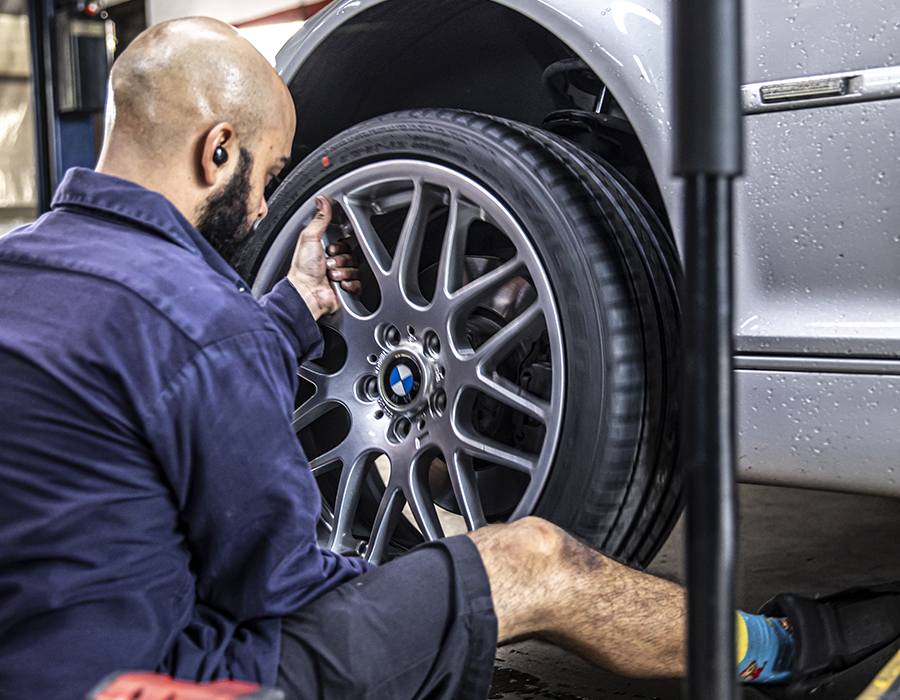
One of the most common mistakes is purchasing used OEM BMW wheels simply because they came from another BMW model.
Many owners assume that if the wheels came from a BMW, they’ll fit any BMW. Unfortunately, that’s rarely the case.
Even when the bolt pattern matches, differences in offset, center bore, wheel width, or brake clearance can create installation and handling problems.
Before installing used wheels, we always recommend verifying every fitment specification and inspecting the wheel for hidden structural damage.
Incorrect Wheel Offset
Wheel offset is responsible for many of the fitment problems we diagnose.
A wheel with the wrong offset may:
- Rub against the suspension
- Extend too far outside the fender
- Affect steering feel
- Increase stress on wheel bearings
- Cause uneven tire wear
In many situations, the wheel can physically bolt onto the vehicle but still fail to fit correctly once the suspension is under load.
Tires That Are Too Wide
Sometimes the wheel is compatible, but the tire isn’t.
Installing tires that exceed the recommended width can reduce clearance inside the wheel well, especially during turns or when driving over bumps.
Before recommending any wheel upgrade, we evaluate the complete wheel-and-tire combination to help avoid rubbing and preserve proper handling.
Vibration After Installation
A newly installed wheel should never cause vibration.
When customers experience shaking at highway speeds, the cause is often one of several issues:
- Improper balancing
- Bent wheels
- Incorrect hub centering
- Previous impact damage
- Installation problems
Rather than replacing the wheels immediately, we perform a complete inspection to identify the actual source of the vibration.
Improper Use of Wheel Spacers
Wheel spacers can be useful in specific applications, but they must be selected carefully.
Spacers that are the wrong thickness or incorrectly installed may affect wheel alignment, reduce proper hub engagement, or place additional stress on suspension components.
Whenever spacers are being considered, we recommend verifying the complete fitment before installation.
Installing Previously Damaged Wheels
Another situation we frequently encounter involves wheels that have already been repaired—or damaged—before being installed on another BMW.
A wheel may look perfectly straight on the outside while still having:
- Hidden bends
- Hairline cracks
- Runout issues
- Previous repair work
- Mounting surface damage
That’s why every used wheel should be professionally inspected before installation, especially if its history is unknown.
At Wheels Doctor, our inspection process helps identify structural concerns before they affect your vehicle’s safety or performance.
OEM vs Aftermarket BMW Wheels
One of the most common questions we receive is whether owners should choose OEM BMW wheels or aftermarket wheels.
The answer depends on your goals, budget, and the quality of the wheels you’re considering.
Neither option is automatically better—the most important factor is choosing wheels with the correct specifications for your BMW.
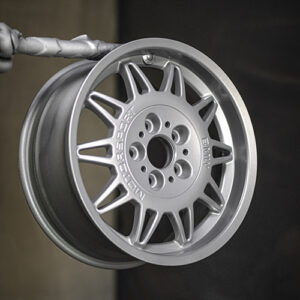
OEM BMW Wheels
OEM (Original Equipment Manufacturer) wheels are designed specifically for each BMW model.
They’re engineered to match the vehicle’s:
- Factory offset
- Center bore
- Brake clearance
- Suspension geometry
- Load capacity
For drivers looking to maintain factory performance and appearance, OEM wheels are often the safest and most straightforward choice.
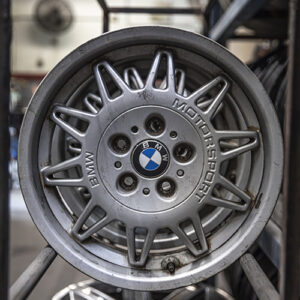
Many of the OEM wheels we service at Wheels Doctor can also be restored through Wheel Refinishing, Bent Rim Repair, or OEM Wheel Restoration, helping owners preserve their original equipment.
Aftermarket BMW Wheels
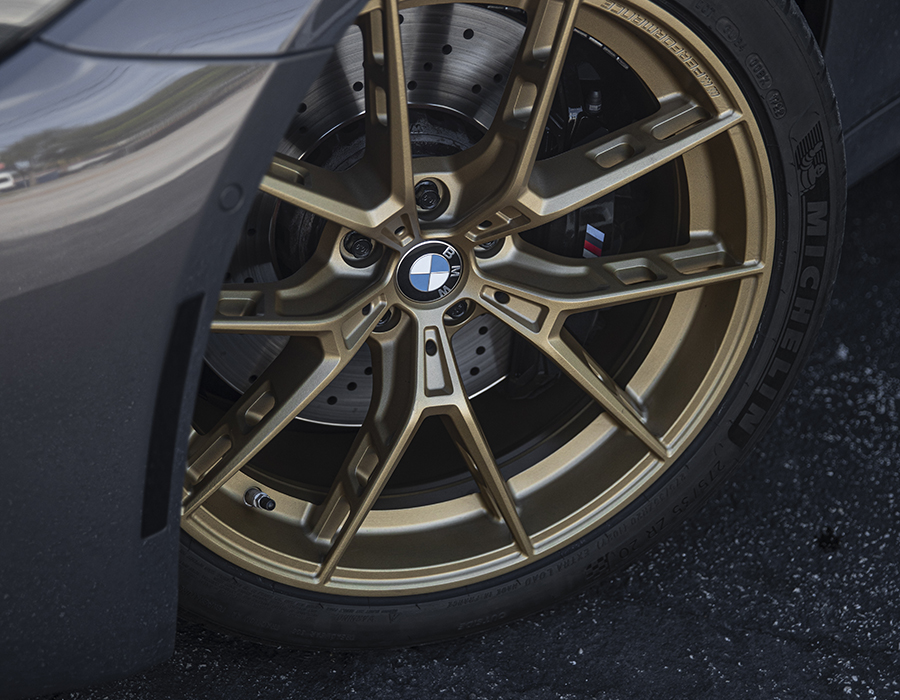
High-quality aftermarket wheels can also be an excellent option when they’re designed with the proper BMW fitment specifications.
They offer advantages such as:
- More design options
- Custom finishes
- Larger wheel sizes
- Performance-oriented construction
- Weight reduction on certain models
However, not every aftermarket wheel is manufactured to the same standards.
Before purchasing aftermarket wheels, it’s important to verify:
- Bolt pattern
- Offset (ET)
- Center bore
- Load rating
- Brake clearance
- Tire compatibility
A professional fitment inspection can help prevent expensive mistakes before installation.
Which Option Is Best?
Both OEM and aftermarket wheels can perform exceptionally well when properly selected.
From our experience, fitment problems rarely occur because a wheel is OEM or aftermarket—they occur because critical specifications weren’t verified beforehand.
That’s why we encourage BMW owners to focus on proper fitment rather than simply choosing one category over the other.
When Should a BMW Wheel Be Inspected Before Installation?
Not every wheel should be installed immediately after purchase.
Whether you’ve bought a used OEM wheel, an aftermarket upgrade, or a replacement wheel, a professional inspection can identify issues that aren’t always visible to the naked eye.
At Wheels Doctor, we recommend inspecting BMW wheels before installation whenever:
- You’ve purchased used wheels from a private seller.
- The wheels were involved in a pothole or curb impact.
- The wheels have been previously repaired.
- You’re switching to a different wheel size.
- You’re installing aftermarket wheels.
- You notice vibration, uneven tire wear, or steering changes.
- The vehicle has larger performance brakes that require additional clearance.
During a professional inspection, we evaluate far more than cosmetic appearance.
We check for:
- Structural bends
- Hairline cracks
- Wheel runout
- Mounting surface condition
- Previous repair work
- Overall fitment compatibility
This process helps ensure that the wheels not only fit your BMW correctly but also perform safely under everyday driving conditions.
For many customers, a quick inspection before installation prevents far more expensive problems later, including tire wear, suspension damage, and repeated balancing issues.
BMW Wheel Repair Services We Offer in Miami
At Wheels Doctor, we work with BMW wheels every day, from factory OEM wheels to premium aftermarket brands. Whether you’re dealing with fitment concerns, impact damage, or cosmetic wear, our technicians carefully inspect each wheel before recommending the most appropriate solution.
Our BMW wheel services include:
- Bent Rim Repair for wheels damaged by potholes or road impacts.
- Wheel Straightening to restore proper wheel geometry.
- Wheel Refinishing to eliminate curb rash, scratches, and worn finishes.
- Powder Coating for long-lasting protection and custom colors.
- Custom Wheel Finishes for drivers looking to personalize their BMW.
Every repair begins with a professional inspection to confirm that the wheel is structurally sound and properly suited for your vehicle before it’s returned to service.
Make Sure Your BMW Wheels Fit Correctly
So, do all BMW wheels fit each other?
The answer is no. While many BMW models share similar specifications, proper wheel fitment depends on much more than the bolt pattern. Offset, center bore, wheel width, tire size, brake clearance, and suspension clearance all play a critical role in ensuring safe performance.
At Wheels Doctor, we’ve helped countless BMW owners throughout Miami and South Florida avoid expensive mistakes by inspecting wheels before installation, identifying hidden damage, and verifying fitment before problems occur.
Whether you’re purchasing used OEM wheels, upgrading to aftermarket wheels, or reinstalling wheels after a repair, a professional inspection can help prevent vibration, uneven tire wear, clearance issues, and unnecessary suspension stress.
If you’re considering different wheel options for your BMW, you may also find our guide “Which Wheel Is the Strongest?“ helpful. It explains how different wheel manufacturing methods affect strength, durability, and long-term performance.
If you have questions about BMW wheel compatibility or want to make sure your wheels are safe to install, our experienced technicians are here to help.
Ensure your BMW delivers the performance, comfort, and safety it was designed for. Contact Wheels Doctor today at (305) 490-2028 | (305) 964-7909 to schedule a professional wheel inspection. For more wheel care tips, repair projects, and the latest updates, follow us on Instagram (@wheelsdoctor) and Facebook (@wheelsdoctor).
Frequently Asked Questions About Do All BMW Wheels Fit Each Other
✅ Do all BMW wheels fit each other?
➡️ No. BMW wheel compatibility depends on factors such as the bolt pattern, center bore, offset (ET), wheel size, and brake clearance. Even wheels from another BMW model may not fit correctly.
✅ Can I install wheels from another BMW model?
➡️ Sometimes. Some BMW models share compatible specifications, but every wheel should be checked for proper fitment before installation to avoid clearance or handling issues.
✅ Does wheel offset really matter on a BMW?
➡️ Yes. Incorrect offset can cause rubbing, steering changes, uneven tire wear, and additional stress on suspension components, even if the wheel bolts onto the vehicle.
✅ Are aftermarket BMW wheels safe?
➡️ Yes, provided they’re designed with the correct BMW fitment specifications. Always verify the bolt pattern, offset, center bore, and load rating before installation.
✅ Should I inspect used BMW wheels before installing them?
➡️ Absolutely. Used wheels may have hidden bends, cracks, or previous repairs that aren’t visible at first glance. A professional inspection helps confirm they’re safe to install.
✅ Can damaged BMW wheels be repaired?
➡️ In many cases, yes. Bent rims, curb rash, and certain cracks can often be repaired safely after a professional inspection. The appropriate repair depends on the wheel’s condition and the type of damage.